Amigurumi Care 2026: The Essential Guide for Cute Crochet Toys
Good amigurumi care is the simple difference between a crochet toy that looks tired after one year and one that still looks loved after ten. Handmade stuffed toys are hugged, carried, chewed, dropped in the park and squeezed into backpacks, so they collect dust, fuzz and the occasional juice stain. The good news: with a little know-how, almost every crochet toy can be cleaned safely at home.
This amigurumi care guide covers hand washing, when a machine is acceptable, spot cleaning, drying, different yarns, pilling, odors, storage, rattles, posable toys and keychains, plus mistakes to avoid. If you are new to this style of crochet, our post What is amigurumi? explains where these little toys come from and how they are made.
Why Amigurumi Care Is Different from Caring for Store-Bought Plush
A factory plush toy is usually sewn from knitted polyester fabric, with seams that are machine-locked and labels that list exact washing instructions. A crochet toy is different. Amigurumi is built from hundreds of tight single crochet stitches worked in a spiral, then stuffed firmly and assembled by hand. Every ear, arm and tail is sewn on with a yarn needle.
That construction is sturdy, but it reacts to water, heat and friction in its own way. Wet yarn is heavy and stretches if lifted carelessly, fiberfill clumps when agitated, wool shrinks and felts, and embroidered faces loosen if scrubbed. Understanding these quirks is the foundation of amigurumi care.
The golden rule of amigurumi care is gentle and cool: cold or lukewarm water, mild soap, no wringing, no high heat.
Before You Start: A Quick Amigurumi Care Checklist
Take two minutes to inspect the toy before any cleaning. This small habit prevents most accidents.
- Check the label or product description. If the maker gave washing advice, follow it first.
- Identify the yarn. Cotton, acrylic, wool, milk cotton and chenille all behave differently (see the table below).
- Look for non-yarn parts. Wooden rings, wire skeletons, keychain hardware, bells, rattle inserts, felt pieces and glued details all change how you clean.
- Test seams and limbs. Gently tug ears, arms and legs, and repair anything loose before washing.
- Test for color bleeding. Dab a damp white cloth on a dark or bright area. If color transfers, use cold water only and wash it on its own.
How to Hand Wash Amigurumi Step by Step
Hand washing is the safest amigurumi care method for nearly all crochet toys. It gives you full control over water temperature and handling.
What you need
- A clean basin, bucket or sink
- Cool or lukewarm water (never hot)
- A mild, gentle detergent: wool wash, baby detergent or a drop of gentle dish soap
- Two or three clean, light-colored towels
- A soft toothbrush for stubborn spots (optional)
The method
- Fill the basin. Use cool to lukewarm water and stir in a small amount of detergent, roughly a teaspoon for a sink full of water. Too much soap is hard to rinse out of dense stuffing.
- Submerge the toy. Press it gently under the water and squeeze softly a few times so the soapy water moves through the fiberfill.
- Soak briefly. Let it sit for 10 to 15 minutes. Wool items need less time; a few minutes is enough.
- Clean gently. Squeeze and release with your palms. For marks, use your fingertips or a soft toothbrush, working in the direction of the stitches. Do not rub the embroidered face hard.
- Rinse well. Drain, refill with clean water of the same temperature and squeeze again. Repeat until no suds appear. A sudden change in temperature can shock wool, so keep rinse water close to the wash water.
- Remove water without wringing. Press the toy between your palms, then roll it in a dry towel and press firmly. Repeat with a second towel if needed.
Twisting or wringing a wet crochet toy is the fastest way to distort its shape, so always press and blot instead.
Can You Machine Wash Amigurumi?
Sometimes, yes. A machine is acceptable for sturdy toys made from cotton or acrylic yarn that have no wooden, wire, glued or electronic parts. It is a practical option for a well-loved toddler toy that gets dirty often. It is not the right choice for wool, chenille, heirloom pieces or custom portrait dolls.
If you decide to use a machine, follow these precautions:
- Place the toy in a mesh laundry bag or a zipped pillowcase to limit friction and protect small details.
- Choose the delicate, hand-wash or wool cycle with cold water.
- Use the lowest spin setting available.
- Use a small dose of mild liquid detergent, and skip bleach and strong fabric softener.
- Remove the toy promptly when the cycle ends and reshape it right away.
The laundry care symbols on commercial yarn bands are a helpful reference if you made the toy yourself and still have the label. When in doubt, choose hand washing.
Spot Cleaning: The Easiest Everyday Care
Most toys do not need a full bath. Spot cleaning handles small marks quickly, avoids long drying times and suits toys with parts that should not be submerged.
- Mix a little mild soap into a cup of cool water.
- Dip a clean white cloth or soft toothbrush into the solution and wring it out until just damp.
- Dab the mark gently, working from the outside toward the center so it does not spread.
- Rinse the area by dabbing with a cloth dampened in clean water.
- Blot with a dry towel and let the toy air-dry.
Act quickly on fresh spills; quick spot cleaning is the most underrated amigurumi care habit.
Drying and Reshaping Crochet Toys
Drying is where many toys are ruined, so take this step slowly. The stuffing inside holds water much longer than the outer yarn, and damp fiberfill left inside a toy can develop a musty smell.
The right way to dry
- Air-dry flat on a clean, dry towel or a mesh drying rack in a well-ventilated room.
- Turn the toy every few hours so all sides dry evenly.
- Replace the towel once it becomes damp.
- Allow enough time. Small toys may dry in a day; large, densely stuffed toys can take two to three days. Squeeze the thickest part to check that the inside is fully dry.
What to avoid
- No tumble dryer: heat and tumbling can shrink, felt or melt fibers and loosen stitching.
- No radiator, heater or hair dryer on high heat.
- No strong direct sunlight for long periods, which can fade bright yarn.
- No hanging by an ear, tail or limb, since the weight of the wet toy will stretch it.
Reshaping tips
While the toy is still damp, gently mold it back to its original shape. Fluff the head and body, straighten ears and arms, and redistribute shifted stuffing. A rolled-up washcloth under a floppy head helps it dry in position.

Amigurumi Care by Yarn Type
The yarn a toy is made from decides how much water, heat and handling it can take. If you are not sure what your toy is made from, ask the maker or treat it like the most delicate option in the table.
| Yarn type | Washing | Water | Drying | Main watch-out |
|---|---|---|---|---|
| Cotton | Hand wash; gentle machine cycle in a laundry bag is usually fine | Cool to lukewarm | Air-dry flat; slower to dry | Can shrink slightly; may fade with strong sun |
| Acrylic | Hand wash or gentle machine cycle in a laundry bag | Cool | Air-dry flat; dries quickly | Heat can permanently flatten or deform fibers; prone to pilling |
| Wool | Hand wash only, very gentle | Cool, same temperature for wash and rinse | Air-dry flat, away from heat | Felts and shrinks with heat, agitation or temperature shocks |
| Milk cotton (cotton blends) | Hand wash preferred | Cool | Air-dry flat | Soft fibers fuzz and pill with rubbing |
| Chenille / velvet plush yarn | Spot clean first; gentle hand wash only if needed | Cool | Air-dry flat, fluff pile while damp | Pile can crush or shed; worms (loops) can pull out |
Cotton
Cotton is soft, breathable and fairly forgiving with water, but it holds a lot of it, so press out as much as you can and give it plenty of airflow.
Acrylic
Acrylic is the most washable of the common toy yarns. Its weakness is heat: a hot dryer or radiator can permanently relax the fibers so the toy looks limp and shiny. For acrylic, amigurumi care simply means keeping everything cool.
Wool and woolen toys
Wool toys feel warm and natural, but they need the gentlest handling. Heat, friction and sudden temperature changes make wool fibers lock together, which causes felting and shrinkage. Use a wool wash, keep the wash and rinse water at the same cool temperature, and press rather than squeeze hard. Our custom-name wool rabbit and woolen plush cat are best kept fresh with spot cleaning and an occasional careful hand wash.
Milk cotton
Milk cotton is a soft cotton blend popular for baby items. It tends to fuzz more than plain cotton, so wash it by hand and avoid scrubbing.
Chenille and velvet plush yarn
Chenille and velvet yarns give that cuddly, extra-soft look. Their pile can flatten and the yarn can "worm," meaning loops pull out of the fabric. Spot cleaning is the first choice. If a full wash is needed, use cool water, minimal handling and no machine. While damp, brush the pile lightly with your fingertips to lift it again.
Dealing with Pilling, Fuzz, Dust and Odors
Pilling and fuzz
Small fiber balls form where a toy is rubbed the most: under arms, on the tummy and on the bottom. This is normal wear, not a defect. To tidy them, gently pull pills off by hand or use a fabric shaver on the lowest setting, holding the fabric flat. Small, sharp scissors work for a few pills. Avoid tearing at fibers, which creates more fuzz.
Dust
Display toys gather dust in their stitches. A lint roller, a soft clothes brush or a vacuum brush attachment on low suction removes it quickly.
Odors
For a mild smell, sprinkle a little baking soda over the toy or place it in a bag with baking soda, leave it for a few hours, then brush or vacuum it off thoroughly. Airing the toy in a shaded, breezy spot also helps. A persistent musty smell usually means damp stuffing, so wash and dry thoroughly.
How to Handle Common Stains
Always test any stain treatment on a hidden spot first, such as the bottom seam. Use the gentlest method that works and blot rather than rub.
- Food and milk: Rinse from the back with cool water, then dab with mild soapy water. Avoid hot water, which can set protein stains.
- Drool and spit-up: Spot clean promptly with mild soapy water and blot dry.
- Mud and dirt: Let it dry completely, brush off the loose dirt, then spot clean what remains.
- Grease or oily marks: A drop of gentle dish soap on a damp cloth, worked in lightly, then rinsed by dabbing.
Special Cases: Rattles, Posable Toys, Keychains and Safety Eyes
Baby toys and rattles with wooden rings
Crochet rattles and teethers often combine a yarn figure with a natural wooden ring. Wood and water do not mix well: soaking can make wood swell, crack or grow mold. Good amigurumi care for rattles means keeping the wooden part dry. Spot clean the crochet section with a barely damp cloth, and wipe the wood with a clean damp cloth, then dry it immediately with a towel. Never submerge or machine wash these toys. Many rattles also contain a rattle insert inside the stuffing, which is another reason to avoid soaking.
Our handmade wool rattles with wooden handles and the Foxy rattle with a wooden teething ring are good examples of toys that stay at their best with this kind of surface cleaning. You can browse the full handmade rattles collection for more styles.

Posable toys with wire
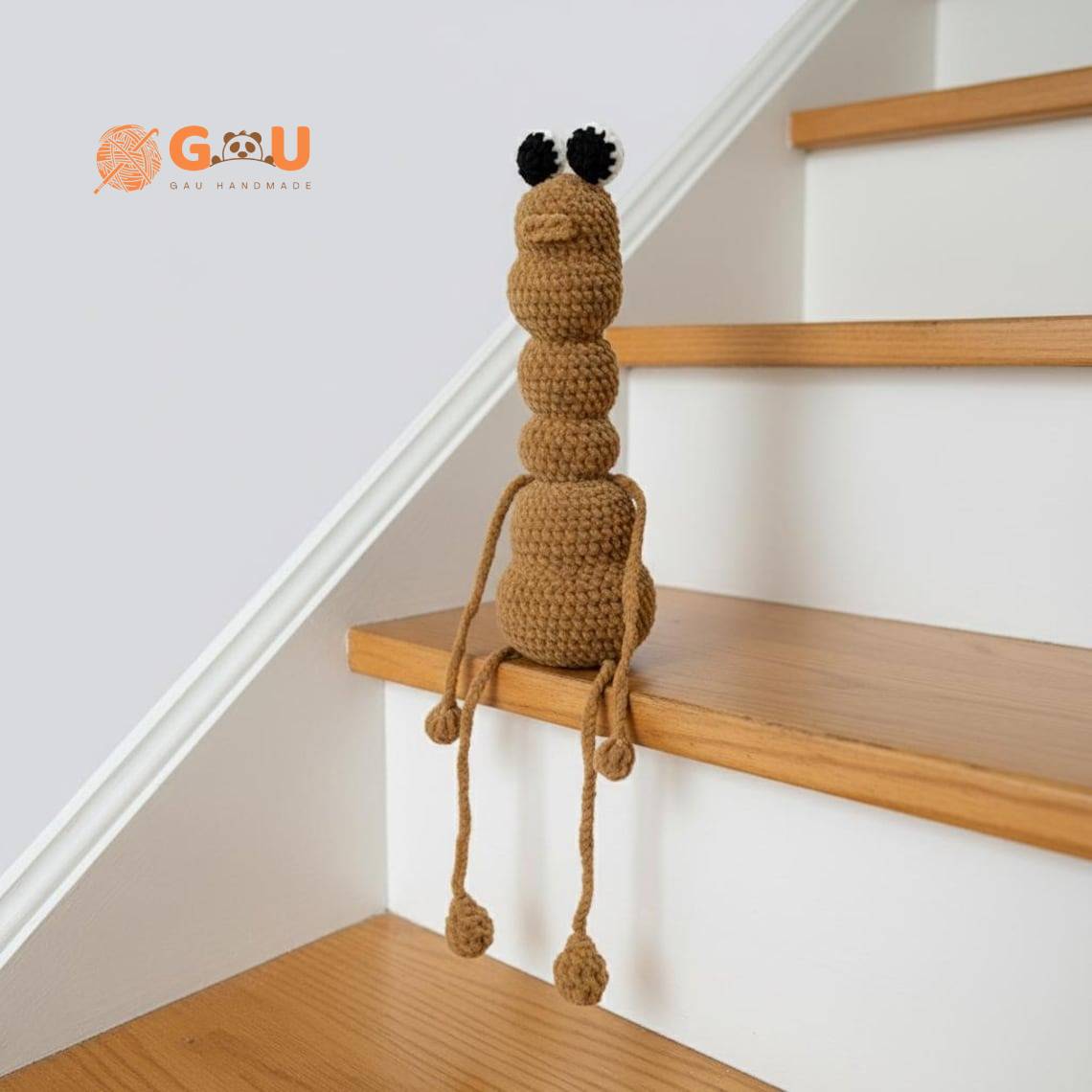
Some crochet toys hide a wire or pipe cleaner skeleton so their arms, legs or body can bend and hold a pose. Water can cause metal to rust and stain the yarn from the inside. Spot clean only, use as little moisture as possible and dry promptly. Our posable Marcus the Worm plush is a toy to dust and spot clean rather than wash.
Keychains and bag charms
Keychain toys live a hard life in pockets and on bags. Remove the metal ring or clasp before cleaning if you can, or keep it out of the water. A quick spot clean every few weeks keeps them looking fresh. The woolly frog keychain and the cosplay duck keychain both do well with this routine.
Toys with safety eyes, felt or glued parts
For toys with mixed materials, amigurumi care starts with the most fragile part. Plastic safety eyes are locked with a washer behind the fabric and generally tolerate gentle hand washing. Glued parts are different: water and heat can soften glue, and felt can shrink or pill. Spot clean these areas carefully. Custom portrait dolls often include small details such as hair styles, accessories and clothing, so a light dusting and careful spot cleaning is safest for a custom crochet look-alike doll that you want to keep for years.
How Often Should You Clean Crochet Toys?
There is no single schedule; it depends on how the toy is used. These are sensible starting points:
- Daily cuddle toys and baby toys: Spot clean as soon as you notice marks; a gentle full wash every few weeks to a couple of months, if the materials allow it.
- Keychains and bag charms: Spot clean every few weeks.
- Display pieces and shelf toys: Dust every week or two; wash only when actually dirty.
Washing less often is better for handmade items, because each wash adds a little wear. Smart amigurumi care means cleaning when needed, not on a strict timetable.
Storing Amigurumi the Right Way
Storage is the quiet part of amigurumi care: it keeps toys clean longer and protects them between seasons.
- Make sure the toy is completely clean and dry before storing.
- Use a breathable cotton bag or a lidded box lined with acid-free tissue. Avoid sealed plastic for long periods, which can trap moisture.
- Store in a cool, dry, dark place away from direct sunlight.
- For wool toys, cedar blocks or lavender sachets placed nearby can help deter moths.
Amigurumi Care Mistakes to Avoid
Most damage comes from a handful of habits. Avoid these and your toys will thank you.
- Using hot water. It shrinks wool, fades colors and can relax acrylic.
- Wringing or twisting. It stretches stitches and distorts the shape.
- Tumble drying or radiator drying. Heat is the enemy of yarn and stuffing.
- Soaking wooden or wire parts. It leads to swelling, cracking or rust.
- Using bleach or harsh chemicals. They weaken fibers and are a poor choice for children's toys.
- Storing while damp. It causes musty smells and mildew.
- Ignoring loose seams. A small gap becomes a big hole after the next wash.
When to Repair Your Crochet Toy
Regular inspection is part of amigurumi care. Repair a toy, or set it aside, when you notice:
- A seam that has opened, showing stuffing
- A loose ear, arm, leg or tail
- A broken or cut stitch that is starting to unravel
- Embroidered eyes or mouths coming undone
- Loose safety eyes, buttons or other attached parts
- Flattened stuffing that makes the toy look deflated
Close small seam gaps with matching yarn, a blunt yarn needle and a mattress stitch, then weave the ends deep inside. For baby toys, any loose part is a safety concern, so remove the toy from use until it is fixed.
If you bought your toy from us and something does not look right, you can reach our team through the contact page or at info@gauhandmade.com, and we will be happy to talk it through.
Frequently Asked Questions about Amigurumi Care
Can I put amigurumi in the washing machine?
Only sturdy cotton or acrylic toys without wooden, wire, glued or electronic parts. Use a mesh laundry bag, a cold delicate cycle, mild detergent and a low spin. For wool, chenille, rattles, posable toys and custom dolls, hand washing or spot cleaning is safer.
How long does a crochet toy take to dry?
Small toys can dry in about a day, while large, firmly stuffed toys may take two to three days. Dry them flat on a towel, turn them regularly, and squeeze the thickest part to confirm the inside is dry before use or storage.
How do I clean a crochet rattle with a wooden ring?
Keep the wood dry. Spot clean the yarn part with a barely damp cloth and mild soap, wipe the wooden ring with a damp cloth, then dry both immediately. Never soak or machine wash a rattle with wooden parts.
Why is my crochet toy pilling, and is it damaged?
Pilling is normal wear from friction, especially on soft yarns like milk cotton and acrylic. It does not mean the toy is damaged. Remove pills gently by hand or with a fabric shaver on a low setting.
What is the most important amigurumi care tip?
Be gentle and stay cool: cool water, mild soap, no wringing and air-drying flat away from heat. Following that one rule prevents most problems with handmade crochet toys.
Keep Your Handmade Toys Loved for Years
Handmade toys are meant to be hugged, and a little regular amigurumi care keeps them ready for many more cuddles. Spot clean early, wash gently when needed, dry flat and slowly, and give special parts like wooden rings and wire extra attention. Thoughtful amigurumi care turns a sweet gift into a lasting keepsake.
Looking for a new friend to care for? Explore our soft stuffed crochet toys, or order a one-of-a-kind piece from our custom crochet collection.
Shop stuffed crochet toysPosts on the same topic:
-

Crochet Birthday Gifts for Every Age and Personality
-
Amigurumi Safety Eyes: The Complete Guide to Cute, Secure Faces
-
Handmade Gifts from Vietnam, Crafted Stitch by Stitch
-
Magic Ring Crochet: An Easy Step-by-Step Guide for Perfect Toys
-
Yarn for Amigurumi: The 6 Best Types for Perfect Crochet Toys
-
Crochet Keychain Ideas: 15 Cute, Easy Gifts They'll Love
-
Crochet Anniversary Gifts: 11 Unique Ideas You'll Love
-
Crochet Pet Portrait: 6 Simple Steps to a Lovely Twin of Your Dog
-
Amigurumi for Beginners: 5 Easy Steps to Your First Cute Toy
-
Crochet Baby Gifts: 9 Adorable Ideas and Essential Safety Tips
-

Crochet Christmas Gifts 2026: 17 Best Unique Handmade Gift Ideas for Everyone on Your List
-

Handmade Jellycat Style Crochet Heart: Cute Gifts for Valentine's Day and Every Day of Love
-

Free Pig Amigurumi Pattern: Pinky the Little Pig (Cute Easy Guide)
-

Free Ox Amigurumi Pattern: Asher the Ox (Cute Beginner Guide)
-

Free Stitch Amigurumi Pattern: Cute Fan-Made Lilo and Stitch Doll
-

What Is Amigurumi? The Cute Japanese Art of Crocheted Stuffed Toys